%2Ffit-in%2F250x250%2Fguide_websites%2F10742%2Fimages%2Ffreedomlogo.png&w=1920&q=100)
White Catfish, Bullhead & Walleye Catch in Branson MO
Branson Fishing Success - What to Expect
%2F%2Fusers%2Fbe442e67-f9d2-49d5-88ab-1530562f184e%2Fimages%2Fbranson-catfish-walleye-fishing-catch-2760.jpg&w=1920&q=75)
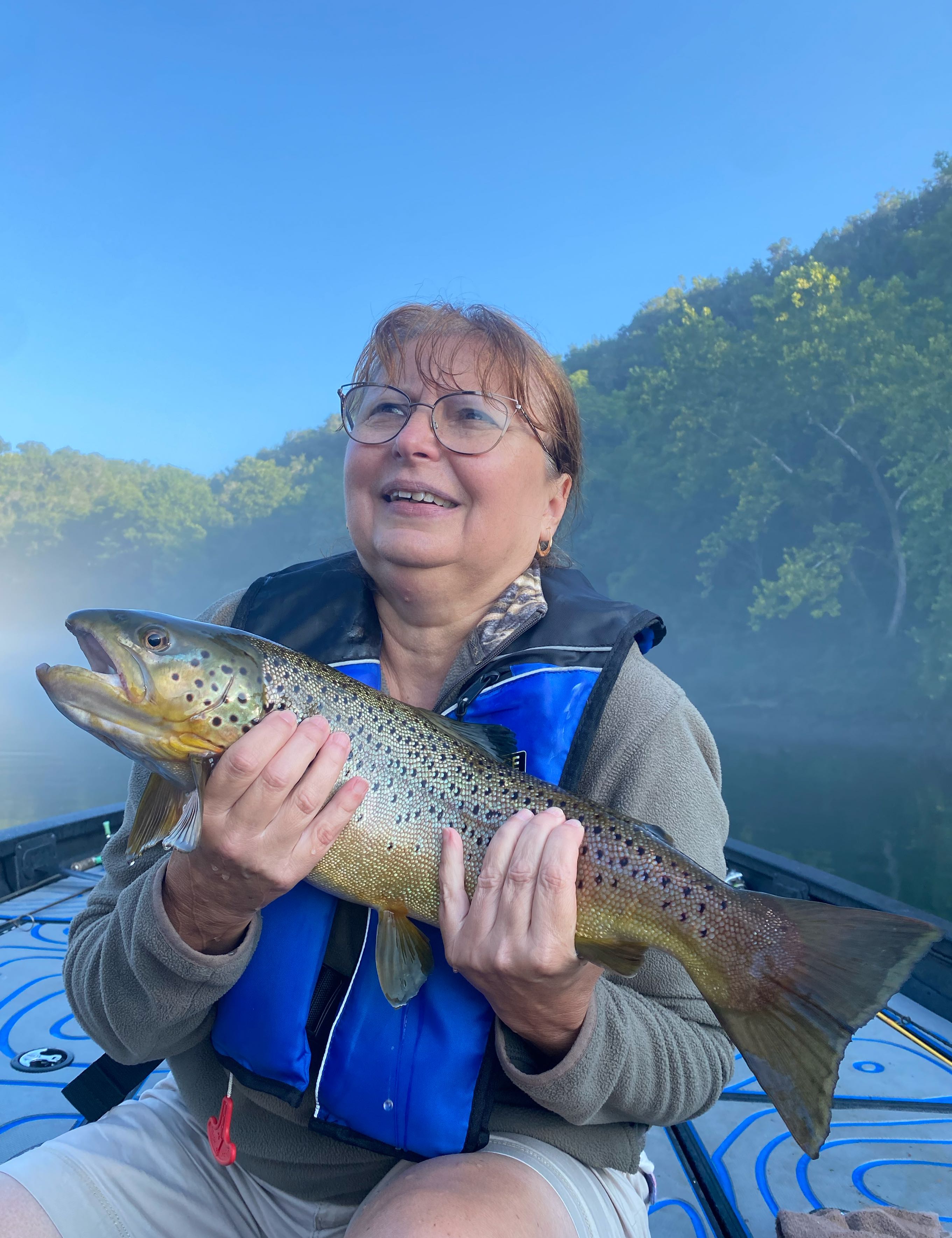
Guided Fishing Trip by Guide Jordan Isaacs in June
- Book The Finest Missouri Lake Fishing Trip Today!


Summary
This guided fishing trip in Branson on a Friday in June showcases a productive day on the water, where white catfish, brown bullhead, and walleye demonstrate the diverse species available to anglers. Jordan Isaacs of Freedom Fishing Guide Service helped land this impressive mixed catch, highlighting the techniques and local knowledge needed to succeed in Missouri's premier fishing destination.
Guided Fishing with Jordan Isaacs - Rates & Booking
Guide Jordan Isaacs of Freedom Fishing Guide Service led this Friday in June guided fishing trip to a successful day on Branson's productive waters. This fishing experience targets multiple species including walleye, catfish, and bullhead - each requiring specific techniques and understanding of local conditions. Whether you're a beginner looking to learn fundamental angling skills or an experienced angler seeking consistent catches, a guided trip provides access to proven fishing locations and expert instruction tailored to current water conditions.
To book your guided fishing adventure in Branson, contact Freedom Fishing Guide Service directly to discuss availability, group size, and your fishing objectives. Guide-led trips offer the advantage of local expertise, knowledge of seasonal patterns, and access to productive fishing grounds that deliver results like those shown in this catch photo.
Highlights of This Guided Fishing Experience
The catch displayed here represents three distinct species that require different approaches and habitat knowledge. Success on the water means understanding where each species congregates, what they feed on, and how to present bait or lures effectively. This mixed catch demonstrates versatility and productive fishing technique, showcasing why guided trips with experienced local guides produce consistent results throughout the season.
Branson's waters support healthy populations of these target species, and the conditions on this June day clearly favored active feeding and solid angler performance. The concrete setting serves as a practical display area for documenting the day's success, making it easy to identify species characteristics and prepare fish for transport or processing.
Local Species Insights: Walleye, White Catfish & Brown Bullhead
Walleye are light-sensitive predators that often feed during low-light periods - early morning, late evening, and overcast days. They prefer cooler, deeper water and respond well to live bait presentations near structure like rocky areas, fallen trees, or ledges. Walleye have excellent vision in low light but struggle in bright midday sun, making timing and location critical for consistent catches. Their firm, white flesh and excellent table quality make them a prized target species across North America.
White catfish are opportunistic bottom feeders that use their keen sense of smell to locate food. They thrive in warmer water and are active throughout the day and night. These catfish respond aggressively to cut bait, live baitfish, and prepared dip baits, making them accessible to anglers of various skill levels. Their whisker-like barbels contain taste receptors that help them navigate murky water and detect food sources with remarkable precision, even in low-visibility conditions.
Brown bullhead are hardy, adaptable catfish that tolerate a wide range of water conditions. They're bottom dwellers with aggressive feeding behavior and strong fighting ability when hooked. Bullhead are scavengers comfortable in cooler water than white catfish and often congregate in shallower areas with muddy or silty bottoms. They're particularly active during evening hours and respond well to simple bait presentations, making them excellent targets for beginners learning catfish fishing techniques.
Understanding the ecological niches these species occupy helps anglers develop strategies for targeting specific fish or enjoying mixed-species days like this one. Each species presents distinct challenges - walleye demand precision and timing sensitivity, catfish reward persistence and bait selection knowledge, and bullhead provide reliable action in diverse conditions. A guided trip with Jordan Isaacs combines knowledge of all three species' behaviors and preferences, increasing your success rate and deepening your appreciation for Branson's diverse fishery.
Fishing in Branson: White Catfish, Brown Bullhead and Walleye
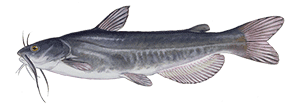
White Catfish Overview
The White Catfish (Ameiurus catus) is a fascinating member of the Ictaluridae family within the order Siluriformes, representing one of the smallest North American catfish species. Known for their distinctive white chin barbels—the whisker-like sensory organs that give them their common name—these bottom feeders are a prized catch for anglers seeking a rewarding coastal river fishing experience. What makes White Catfish particularly interesting is their ability to thrive in both freshwater and brackish tidal waters, making them a unique target species in estuarine environments from Maryland to the Carolinas and beyond. Their preference for sluggish waters and muddy bottoms, combined with their semi-nocturnal feeding habits, has earned them a reputation among anglers as elusive and challenging to catch consistently.
White Catfish Habitat and Distribution
White Catfish show a strong preference for sluggish freshwater bodies including lakes, ponds, streams, and rivers, though they're equally comfortable in reservoirs, drainages, and river backwaters. These fish are particularly notable for their tolerance of brackish and tidal waters, following the behavior of lunar cycles in coastal river systems that flow toward the Atlantic Ocean. They thrive in waters with muddy bottoms where crustaceans and small fish congregate—ideal hunting grounds for a bottom feeder. Water temperature is crucial for this species; they prefer temperate waters around 82 degrees Fahrenheit and can even survive in low-oxygen environments that would challenge other fish species. Despite their preference for freshwater habitats, White Catfish frequently inhabit tidal zones and can tolerate the salinity variations found in coastal river systems, making them increasingly common catches in estuarine areas from the mid-Atlantic states southward.
White Catfish Size and Weight
White Catfish typically range from 13 to 24 inches in length, with most catches weighing between 6 to 9 pounds, though this species is generally considered one of the smaller North American catfish. The average White Catfish encountered by anglers is small enough to hold comfortably in one hand, usually weighing between half a pound to 2 pounds in younger populations. However, exceptional specimens have been documented reaching 10 pounds or more, and these larger fish represent the dream catch for many dedicated anglers who spend countless hours pursuing this elusive species. The sexual maturity of White Catfish occurs at 3 to 4 years of age, and the species can live up to approximately 14 years in optimal conditions, allowing for the development of trophy-sized individuals in well-managed water systems.
White Catfish Diet and Behavior
As bottom feeders, White Catfish primarily consume aquatic insects, small fish, crustaceans, and various aquatic plants found along the substrate of their freshwater and tidal habitats. These fish possess subterminal lips—positioned underneath rather than at the front of their mouth—perfectly adapted for vacuuming up food from muddy bottoms. One of their most remarkable sensory abilities is the capacity to taste through their eight barbels, allowing them to detect food via touch rather than sight alone, which proves invaluable in murky coastal river waters and sediment-laden environments. While they're primarily nocturnal feeders with peak activity occurring at dusk and through the night, White Catfish aren't completely nocturnal and can be successfully caught during morning hours. Their feeding behavior is influenced by lunar cycles in tidal waters, making them more active during certain phases of the moon when tidal currents bring fresh food sources into their feeding zones.
White Catfish Spawning and Seasonal Activity
White Catfish demonstrate particular sensitivity to water temperature during spawning season, with egg-laying occurring when water conditions reach optimal ranges typically in late spring through early summer. Their reproduction strategy involves careful selection of suitable spawning habitat, and they become sexually mature after 3 to 4 years of life. The lunar cycles that govern tidal waters in coastal river systems also influence their reproductive timing and activity patterns. In tidal water environments, White Catfish follow the moon's gravitational pull, which affects water levels and current patterns critical to their spawning success and year-round feeding behavior. Understanding these seasonal and lunar-driven patterns is essential for anglers seeking to maximize their catch rates during peak activity windows.
White Catfish Techniques for Observation and Capture
Bait Casting Method: Bait casting remains one of the most effective techniques for White Catfish, utilizing specialized bait-cast reels positioned directly on the rod rather than mounted to the side like traditional spin reels. This configuration allows anglers to achieve longer casting distances and better control when targeting these fish in coastal river environments. Live bait proves most effective—worms and shrimp are classic choices—though chicken liver and cut bait from smelly fish work exceptionally well since White Catfish rely heavily on their chemosensory abilities to locate food. Cast near muddy bottom areas and structure where these bottom feeders concentrate their foraging activities.
Bottom Fishing Technique: Bottom fishing allows anglers to position bait directly where White Catfish hunt for their food. Rather than letting your bait rest stationary in the sand, allow it to drift slightly along the bottom, creating subtle movement that triggers the fish's sensory detection system. This method works particularly well during dawn and dusk hours when these semi-nocturnal feeders are most active. Focus your efforts in deeper holes within coastal rivers and around channel ledges where White Catfish congregate during tidal movements.
Localized Tip: Around tidal river systems in the mid-Atlantic and Carolinas, timing your fishing trips to coincide with slack tide or the early flood tide often produces excellent results, as these periods concentrate White Catfish in predictable feeding zones. Fish the deeper holes and channel bends where current pushes food directly into their hunting territory.
White Catfish Culinary and Utilization Notes
White Catfish have earned a reputation for providing good eating quality, offering firm, flavorful white meat that takes well to various cooking preparations. Their culinary value makes them an excellent target for anglers interested in both sport fishing and table fare. The meat quality is comparable to larger catfish species, though the smaller average size means you may need several fish to constitute a substantial meal. From a sustainability perspective, White Catfish populations remain stable in most tidal and freshwater systems where they're found, making them an environmentally responsible choice for consumption. Local tradition in coastal communities often features White Catfish in regional cuisine, particularly prepared fried or in fish stews that showcase their mild, delicate flavor profile.
White Catfish Frequently Asked Questions
Q: What is the best bait for catching White Catfish?
A: Live worms and shrimp are ideal choices, but if those aren't available, chicken liver and cut bait from smelly fish work excellently. White Catfish hunt primarily through their chemosensory barbels, so pungent or live baits that release scent into the water are most effective. The key is using bait that allows the fish to detect food through taste and smell rather than sight.
Q: Where can I find White Catfish in coastal river systems?
A: Focus your efforts in sluggish sections of tidal rivers, particularly where muddy bottoms and deeper holes provide ideal bottom-feeding habitat. In coastal river systems from Maryland to the Carolinas, concentrate on channel bends, deeper pools, and areas where tidal currents push food and sediment. Structure such as fallen trees, dock pilings, and channel ledges concentrates White Catfish during both feeding and resting periods.
Q: Is White Catfish good to eat?
A: Yes, White Catfish are considered good eating with firm, mild white meat that responds well to frying, baking, and stewing. The smaller average size means you may need multiple fish for a substantial meal, but they're increasingly popular in regional cuisine throughout the mid-Atlantic and coastal communities. Their sustainability and culinary quality make them an excellent target for anglers interested in fresh table fare.
Q: When is the best time to catch White Catfish?
A: While White Catfish are primarily nocturnal to semi-nocturnal, they can be caught throughout the day with peak activity occurring at dusk and extending through the night. In tidal waters, align your fishing with slack tide or early flood tide periods for the most consistent results. Early morning hours before sunrise also produce good catches when water conditions are calm.
Q: What makes White Catfish different from other catfish species?
A: White Catfish are the smallest North American catfish species and lack the distinctive black blob marking at the base of the dorsal fin found on other catfish. They're unique in their tolerance for tidal and brackish waters, following lunar cycles in coastal river systems. Their white chin barbels, from which they derive their name, are particularly prominent compared to other catfish species.
Q: What techniques work best for White Catfish fishing?
A: Bait casting with live bait and bottom fishing are the most productive methods. Bait casting allows you to cover greater distances in coastal rivers, while bottom fishing positions your bait in the muddy areas where White Catfish naturally forage. Combine these techniques with timing tied to tidal movements and lunar phases for optimal success rates in tidal water environments.
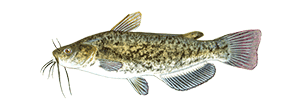
Brown Bullhead Overview
The Brown Bullhead (Ameiurus nebulosus) is a freshwater catfish belonging to the family Ictaluridae and order Siluriformes. This mud-brown to dark green catfish is instantly recognizable by its distinctive long barbels—whisker-like sensory organs that give it a somewhat prehistoric appearance. Unlike scaled fish, the Brown Bullhead sports a characteristic slimy coating over its smooth body, and its serrated dorsal spines serve as natural defense mechanisms against predators. Found throughout lakes, rivers, and backwaters across North America, these hardy bottom-feeders are a favorite among recreational anglers seeking an accessible and rewarding fishing experience. Their unique appearance and fascinating behavior make them a compelling subject for outdoor enthusiasts and naturalists alike.
Brown Bullhead Habitat and Distribution
Brown Bullheads are natives of North American freshwater systems, thriving in murky ponds, slow-moving rivers, and weedy backwater areas where visibility is low and the bottom is soft and muddy. They prefer warm-water environments and are most active during warmer months, particularly in the early days of February when water temperatures begin to rise. These fish are non-migratory and tend to congregate in schools, making them predictable residents of their chosen waters. Swamps, marshes, ditches, and shallow lakes with dense aquatic vegetation provide ideal habitats where they can hide and forage undisturbed. Their preference for murky conditions means they're equally comfortable in waters that other fish species might avoid, making them excellent indicators of specific water quality conditions in local ecosystems.
Brown Bullhead Size and Weight
Typically, Brown Bullheads reach between 8 to 22 inches in length, with most specimens weighing between 1 to 5 pounds. However, exceptional individuals have been documented reaching up to 50 centimeters (approximately 20 inches) in larger, well-established water bodies with abundant food resources and spacious environments. The size potential of these catfish is directly influenced by their habitat quality and available nutrition—those residing in expansive swamps and well-developed lake systems tend to grow larger than their counterparts in constrained environments. Their opportunistic feeding behavior and non-selective diet mean that well-fed populations can achieve significant growth over their 6 to 8-year lifespan, with rare individuals occasionally exceeding 9 years.
Brown Bullhead Diet and Behavior
As opportunistic carnivores, Brown Bullheads will consume virtually any available food source that enters their domain. Their diet includes worms, leeches, crayfish, mollusks, fish roe, aquatic insect larvae (particularly mayfly nymphs), and smaller fish species. They're not particularly discriminating and will readily feed on bread, rice, and chicken liver—facts that have made them popular among beginner anglers. Their hypersensitive barbels allow them to detect subtle chemical changes and vibrations in the water, enabling them to locate food in complete darkness or murky conditions where vision would be useless. Brown Bullheads are primarily nocturnal feeders, becoming significantly more active after sunset when they venture from their hiding spots to patrol the bottom. They communicate with one another through sound production, particularly when threatened by aggressive predators, and they school together during both feeding and resting periods, creating a cooperative social structure uncommon among catfish species.
Brown Bullhead Spawning and Seasonal Activity
Brown Bullhead reproductive activity peaks during warmer water temperatures, with the best fishing success occurring during late spring and summer months when the water warms considerably. Their preference for warm conditions means that fishing effort should intensify during unexpectedly warm weather patterns, even in late winter—seasoned anglers know that a warm spell in February can trigger feeding activity that rivals summer conditions. While these fish don't undertake long migrations, they do shift their positioning within their home waters based on seasonal temperature changes, moving into deeper channels during cold periods and spreading into shallower backwaters when conditions warm. Their non-migratory nature means that once you've located a productive Brown Bullhead population, that location generally remains reliable year-round, though activity levels will fluctuate with water temperature and seasonal daylight cycles.
Brown Bullhead Techniques for Observation and Capture
Bottom Slip-Sinker Rig Method: The most reliable approach for catching Brown Bullheads involves using a simple but effective bottom rig. Attach a size 6-8 hook to your mainline with a small bait ring and a slip-sinker that allows the rig to rest on or very near the bottom. Bait your hook with live worms, chicken liver, or cut bait, then cast into areas with muddy bottoms away from rocky debris. Allow the rig to settle on the lake or river bottom where these bottom-feeders naturally forage. Fish during low-light conditions—dusk through dawn—when these nocturnal hunters are most active. In regions around major river systems and lakes, target the deepest holes and channels during daylight hours, then move to shallower backwater areas as evening approaches.
Night Fishing with Localized Illumination: For genuinely productive sessions, employ night fishing techniques enhanced with a lantern or headlamp to navigate safely and observe your rod tip. Position your rig in known Brown Bullhead territory and monitor for the telltale taps and pulls that indicate feeding activity. These catfish are highly tactile feeders, so you'll feel distinct bites rather than the subtle nibbles of other species. Night fishing near bridges, channel structures, and vegetation-lined banks consistently produces excellent results. The sensory capabilities of these fish mean they can locate your bait quickly, even in complete darkness—in fact, they often feed more aggressively when ambient light is minimal.
Scent-Based Attraction: Maximize success by using pungent baits that appeal to the Brown Bullhead's highly developed chemical detection system. Chicken liver, stink baits, and freshly caught minnows create scent plumes that these fish can detect from considerable distances. Cast upstream in moving water to allow the scent trail to drift toward likely holding areas. In still-water environments like lakes and ponds, position your bait near submerged structure, vegetation, or deep holes where fish congregate. The combination of olfactory attraction and bottom positioning creates an irresistible scenario for feeding Brown Bullheads.
Brown Bullhead Culinary and Utilization Notes
While Brown Bullheads are technically edible, they present several challenges that limit their appeal in culinary contexts. Members of the bullhead catfish family are known for possessing significantly more bones than most other fish species, making fileting and preparation labor-intensive and requiring considerable skill. The meat itself is firm and can be flavorful when properly prepared, but the bone structure makes them less suitable for casual or family dining experiences. Additionally, their reputation as bottom-feeders can create concerns about flavor and food safety, particularly when harvested from heavily polluted waters. For those willing to undertake proper preparation techniques—including careful cleaning and thorough cooking—they can provide a viable protein source. Many regions recommend limiting consumption and checking local health advisories before keeping these fish for food, particularly in areas with known water quality issues. Most modern anglers practice catch-and-release with Brown Bullheads, valuing them more for the recreational experience than for culinary purposes.
Brown Bullhead Frequently Asked Questions
Q: What is the best bait for catching Brown Bullheads?
A: Live worms, chicken liver, and fresh cut bait are the top choices. Brown Bullheads are opportunistic feeders with excellent chemoreceptive abilities, so any protein-rich bait with strong odor will attract them. Many anglers also find success with store-bought stink baits specifically formulated for catfish species.
Q: When is the best time to fish for Brown Bullheads?
A: Dusk through dawn is prime time, as these are nocturnal feeders. However, they're most active during warm weather conditions—if air and water temperatures unexpectedly warm, fishing improves dramatically even outside typical seasons. Early February warm spells often produce exceptional results.
Q: Where in my local area can I find Brown Bullheads?
A: Look for murky, slow-moving bodies of water with soft, muddy bottoms: lakes, river backwaters, oxbow channels, and swampy areas. Avoid clear-water lakes and fast-moving sections of rivers. Local bait-and-tackle shops can provide specific recommendations for productive spots in your region.
Q: Are Brown Bullheads good to eat?
A: They're edible but challenging due to their high bone content, which requires considerable skill to remove cleanly. Flavor can be good when properly prepared from clean water sources. Check local health advisories before keeping them for food, as they're bottom-feeders that can accumulate contaminants in polluted waters.
Q: What equipment do I need for Brown Bullhead fishing?
A: A medium-weight rod, a basic reel, monofilament line, a slip-sinker rig with a size 6-8 hook, and your choice of bait are all you need. Many successful anglers use simple rod-and-reel setups without sophisticated gear, making this an accessible option for beginners.
Q: How do I distinguish a Brown Bullhead from a Black Bullhead?
A: Compare three key features: barbel coloration (Brown Bullheads have yellowish-black barbels versus the Black Bullhead's darker coloration), the presence of a black bar at the tail base (present only on Black Bullheads), and anal fin ray count (Brown Bullheads have 21-24 rays versus 17-21 on Black Bullheads). These differences are easily observable with practice.
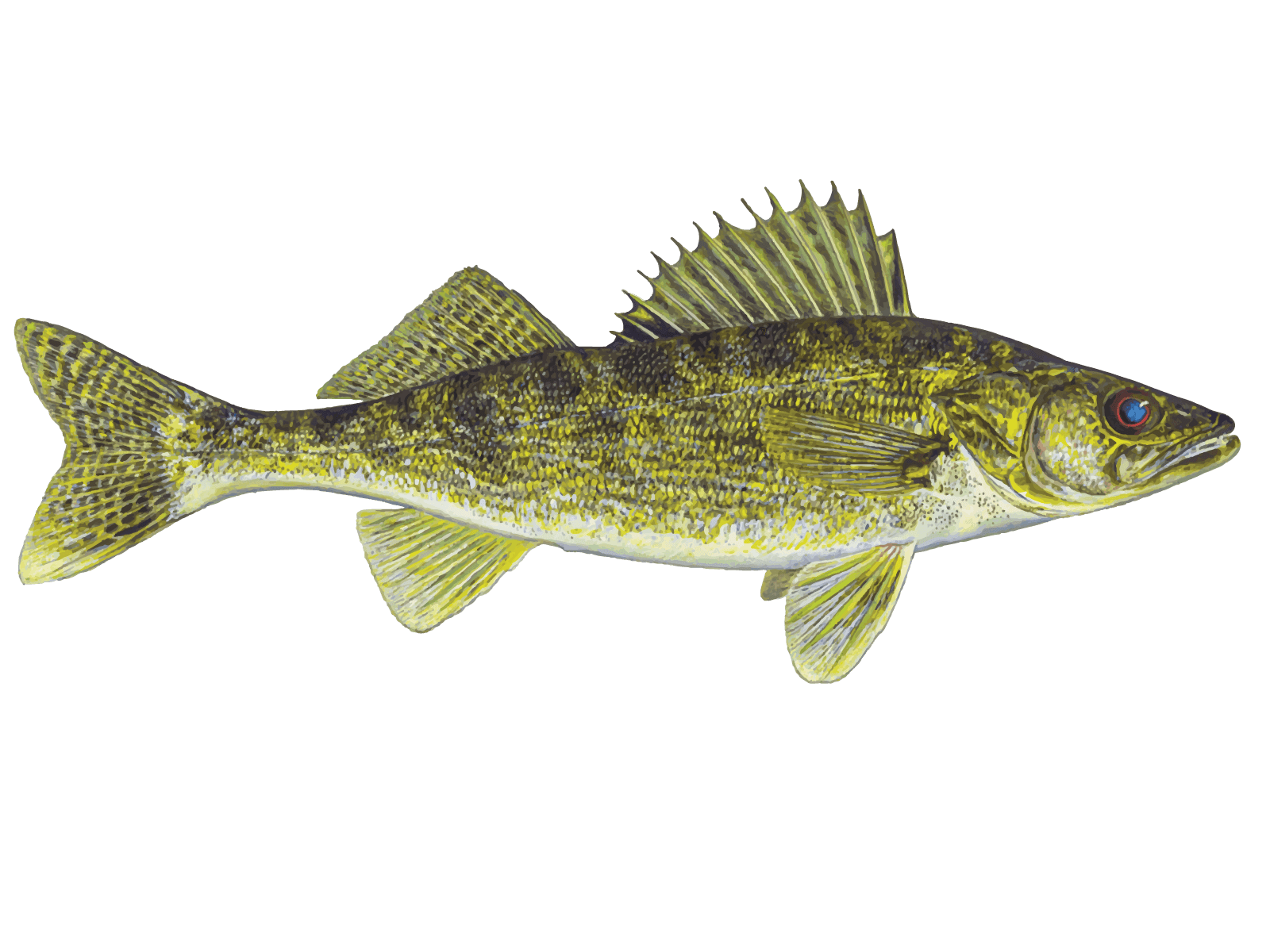
Walleye Overview
The Walleye (Sander vitreus) is a freshwater game fish belonging to the family Percidae and order Perciformes, making it a close relative of perch and pike-perch species worldwide. What makes this fish truly remarkable is its distinctive large eyes with a reflective silver layer called the tapetum lucidum, which gives walleye their characteristic glowing appearance and exceptional low-light vision. These sleek, conical-bodied predators boast golden and olive coloring with pale white bellies, and they've become one of North America's most sought-after game fish. From the pristine waters of Lake of the Woods to local lakes and river systems across the continent, walleye are celebrated equally by anglers pursuing trophy catches and home cooks seeking exceptional table fare. Whether you're casting lines at dusk or planning your next fishing adventure, the walleye represents the perfect blend of challenge, beauty, and culinary reward.
Walleye Habitat and Distribution
Walleye thrive in diverse freshwater environments, from small to large rivers and both shallow and deep lakes. These fish demonstrate specific preferences for their surroundings, typically seeking out sand, rock, or gravel bottoms where they can hunt effectively. During daylight hours, walleye retreat to deeper water columns, using weeds, timber, and submerged structures for cover. In river systems, they establish themselves in deep holes and drop-offs during the day, then venture into shallows under the cover of darkness to hunt for food. Their comfort zone lies at water temperatures around 70 degrees Fahrenheit, though they can tolerate a range between 32 and 90 degrees.
Geographically, walleye are native to waters from the Arctic regions south of Canada down through the Great Lakes and extending east to the St. Lawrence River systems. Lake Erie stands as one of the most legendary walleye fishing destinations in North America. However, the true crown jewel is Lake of the Woods and the Rainy RiverWalleye Capital of the World. These breathtaking waters attract anglers year-round seeking record-breaking catches. Over recent decades, walleye have been artificially introduced into lakes and reservoirs throughout North America, expanding fishing opportunities far beyond their native range and making them accessible to enthusiasts across the continent.
Walleye Size and Weight
Adult walleye typically range from 12 to 30 inches in length, with trophy specimens occasionally exceeding 42 inches. Weight generally falls between 1 pound for smaller individuals to approximately 10 pounds for impressive catches, though the largest recorded walleye have reached weights around 20 pounds. Females generally grow larger than males, and in pristine, well-managed fisheries with minimal harvest pressure, these fish can reach truly exceptional sizes. The sleek, streamlined body shape and conical head lined with sharp teeth make walleye instantly recognizable and perfectly adapted for their predatory lifestyle.
Walleye Diet and Behavior
Walleye are strictly nocturnal predators, meaning they feed primarily during low-light conditions—dawn, dusk, and throughout the night. Adult walleye feed almost exclusively on other fish species, actively hunting minnows, shiners, and other small forage fish. Young walleye have more diverse diets, consuming small crustaceans and insects, particularly mayflies, as they develop. This dietary preference for living prey directly influences successful angling techniques and bait selection.
These fish are highly mobile, responding to light levels and temperature changes throughout the day and across seasons. During midday, they disappear into deep, structure-rich areas to avoid bright light, which their sensitive eyes find uncomfortable. As evening approaches and light diminishes, walleye become increasingly active and begin moving toward shallow feeding zones. This behavior pattern is so predictable that experienced anglers plan their outings around these feeding windows. Their nocturnal nature also makes them less susceptible to fishing pressure during daylight hours, rewarding patient anglers who time their efforts during prime feeding periods.
Walleye Spawning and Seasonal Activity
Walleye typically spawn in spring when water temperatures begin warming, usually between April and May in most northern regions. During this period, they migrate to shallow rocky areas or gravel bars to reproduce, making them more accessible to anglers during these critical weeks. After spawning, walleye gradually move into their summer patterns, establishing themselves in deeper structure.
Summer brings a shift to deeper waters during the heat of the day, with evening and night feeding becoming more pronounced. Fall introduces another transition period as cooling water temperatures trigger increased feeding activity and movement. Winter finds walleye in deeper holes and under the ice, where they continue feeding but at reduced rates. Understanding these seasonal patterns helps anglers anticipate where to find active walleye throughout the year.
Walleye Techniques for Observation or Capture
Evening Jig and Minnow Technique: The most reliable method for walleye success involves fishing jigs tipped with live minnows during the evening and night hours. Work your jig along rocky structure, weed edges, and bottom contours at depths between 10 and 30 feet. Cast parallel to structure, maintaining contact with the bottom through a steady jigging motion. This technique works exceptionally well around Lake of the Woods and similar environments where rocky transitions create prime walleye habitat.
Live Bait Rig Trolling: Deploy a live bait rig consisting of a 1⁄4 to 1⁄2 pound sinker, a swivel, a 3 to 6 foot leader of 6-pound test line, and a No. 4 or 6 hook. Attach live minnows, nightcrawlers, or leeches and troll slowly along the bottom, covering different depths and structure types to locate feeding fish. This methodical approach works particularly well in lake systems where walleye suspend at varying depths depending on forage availability.
Nighttime Shallow Water Hunting: After dark, position yourself in water depths of 3 to 8 feet near weed beds, structure, and drop-offs. Use minnow-style crankbaits or soft plastics retrieved slowly and deliberately. The reduced light gives these sensitive-eyed predators confidence to hunt in shallow water where prey concentrates. This technique can be explosive during peak feeding periods and is especially productive around established fishing areas.
Walleye Culinary and Utilization Notes
Walleye consistently ranks among North America's finest eating fish, earning its reputation through superior flavor and texture. The firm, flaky meat boasts a mild, delicate taste with subtle sweetness and buttery notes that appeal to diverse palates. This versatility makes walleye suitable for virtually any cooking method—frying, grilling, baking, or poaching—and pairs beautifully with herbs, spices, and light sauces.
Beyond flavor, walleye delivers impressive nutritional benefits. The meat is rich in omega-3 fatty acids, which reduce inflammation and support cardiovascular health. It provides substantial B vitamins crucial for energy metabolism and nervous system function, plus selenium for immune support and oxidative protection. Walleye also maintains low mercury levels and minimal harmful contaminants, making it a safe choice for regular consumption. When preparing walleye fillets, carefully remove skin and bones to ensure a clean, appetizing presentation. The result is a nutritious, delicious meal that satisfies both refined taste and health-conscious diners.
Walleye Frequently Asked Questions
Q: What is the best bait for catching walleye?
A: Live bait consistently outperforms artificial lures for walleye. Minnows (shiners or shad), nightcrawlers, and leeches are the top choices. Fish these live baits on jigs, live bait rigs, or simple hook-and-sinker setups near the bottom and around structure. Live minnows around 2 to 3 inches work especially well for trophy-sized fish.
Q: Where can I find walleye near popular fishing destinations?
A: Lake of the Woods and the Rainy River are world-renowned walleye hotspots, but excellent fishing also exists in the Great Lakes region, particularly Lake Erie. Many Midwestern lakes and Canadian waters host healthy populations. Check local fishery reports and connect with guide services to identify current productive locations in your area.
Q: Is walleye good to eat?
A: Absolutely. Walleye is considered one of the best freshwater eating fish available. The mild, flaky, buttery flavor appeals to most people, and the firm texture holds up well to any cooking method. It's also nutrient-dense with omega-3s, B vitamins, and selenium, making it both delicious and nutritious.
Q: When is the best time to catch walleye?
A: Walleye feed most actively during low-light periods—early morning, evening, and throughout the night. Plan fishing trips starting in the evening and extending after dark for peak success. Spring and fall months often produce excellent results as water temperatures favor increased feeding activity.
Q: How old can walleye live?
A: Under ideal conditions with minimal fishing pressure, walleye can live for decades, with the oldest recorded specimen reaching 29 years of age. However, in heavily fished waters, walleye typically don't survive past 5 to 6 years. This variability emphasizes the importance of sustainable fishing practices.
Q: What size walleye should I target?
A: Most recreational anglers keep walleye between 15 and 24 inches, which offer excellent eating while maintaining breeding populations. Trophy hunters pursue fish exceeding 28 inches, but these larger specimens are increasingly rare. Always check local regulations regarding minimum and maximum keeper sizes, as these limits protect fishery health and ensure future generations can enjoy walleye fishing.